Navigating the world of cryptocurrency mining can often seem like trying to find your way through a labyrinth. Every decision made can significantly impact the outcome of your mining endeavors. A critical factor in your mining operation's success is the hashrate. As the lifeblood of the mining process, the hashrate dictates the pace and efficacy of adding blocks to the blockchain.
Good Hashrates & Ways to Increase Effective Rates
Hashrates Explained
The essence of improvement rests in understanding current limitations and learning how to surpass them. The great inventor Thomas Edison once said, "There's a way to do it better—find it." This ethos is fitting in the domain of cryptocurrency mining: There's always room to elevate your hashrate and, consequently, enhance your mining output.
This blog will guide you through:
- The significance and workings of hashrate in the context of cryptocurrency mining
- What constitutes a “good’ hashrate and the factors that influence it
- Effective strategies for optimizing and increasing your hashrate
- The role of hashrate in preserving the stability and security of the cryptocurrency ecosystem
- Essential considerations before embarking on the pursuit to increase your hashrate
The goal is to arm you with the knowledge to navigate your way to mining success. So, let's delve deeper into the intricate world of hashrates and learn how to harness them effectively.
Understanding Hashrate
What is Hashrate?
hashrate refers to the measure of computational power that is used when mining cryptocurrencies. This metric is instrumental in defining the speed at which a miner can resolve the cryptographic puzzles that are required to validate transactions and add new blocks to the blockchain.
Why is Hashrate Important?
hashrate serves as a performance indicator of your mining setup—the higher your hashrate, the better your chances of securing the rewards associated with mining. In simple terms, the hashrate can be seen as the miner's horsepower.
What is a Good Hashrate for Mining?
The definition of a “good” hashrate isn't a straightforward affair, as it is influenced by several varying factors:
- Type of cryptocurrency being mined
- Current difficulty in mining
- Strength and power of your mining equipment
To illustrate this, let's consider Bitcoin mining. A hashrate of 14 TH/s could be considered good for this context. However, the same hashrate would be overly excessive for cryptocurrencies with a lower mining difficulty, such as Litecoin.
In the broader perspective of mining profitability, a good hashrate is one that allows you to solve cryptographic puzzles at a faster rate. This speed increases your chances of earning mining rewards while keeping energy consumption at reasonable levels.
How to Increase Hashrate CPU?
The process of improving your hashrate involves tweaks and modifications both in hardware and software.
Hardware Adjustments
- Upgrade to more powerful mining equipment
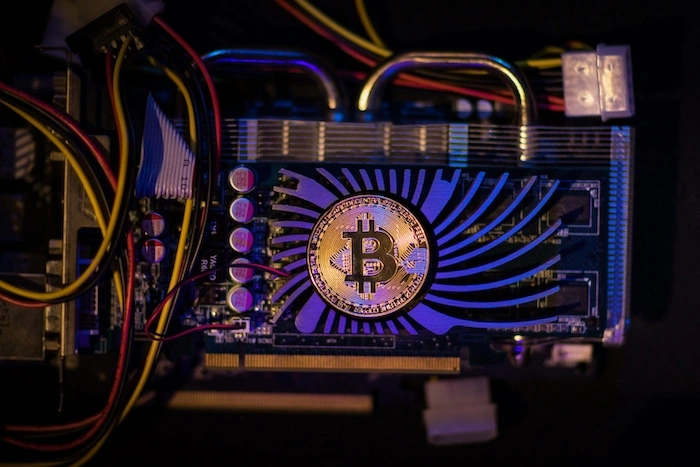
- Overclock your GPU
- Use ASICs (Application-Specific Integrated Circuits) designed for mining particular cryptocurrencies because they tend to offer higher hashrates compared to traditional CPUs or GPUs
Software Optimizations
From the software perspective, optimizing your mining software settings and selecting a more efficient mining program can yield improvements in your hashrate. Some miners have reported substantial hashrate improvements after switching their mining programs or making adjustments in their software settings.
- Optimize your mining software settings
- Select a more efficient mining program
Overcoming Overheating
Overheating can cause degradation of your equipment, reducing its performance over time. Investing in robust cooling solutions can thus extend the life of your mining setup and enhance the overall hashrate.
The Impact of Hashrate on the Cryptocurrency Ecosystem
Any changes in the collective hashrate of a cryptocurrency can influence its network's stability and mining difficulty. A higher total hashrate enhances the security of the network, making it more difficult for any malicious actors to launch successful attacks. However, an increase in total hashrate also raises the mining difficulty. This increase makes it harder for individual miners to solve cryptographic puzzles and earn the associated rewards.
Considerations Before Increasing Your Hashrate
It's essential to keep in mind that rushing to improve your hashrate comes with its risks and costs. Overclocking your equipment can potentially shorten its lifespan, and high-performance mining hardware can come with hefty price tags. These potential downsides should always be weighed against the expected increase in mining profits. A thorough cost-benefit analysis, which factors in electricity costs, equipment expenses, and the current state of the crypto market, can help guide you in making an informed decision.
Hashrate vs Power Efficiency
While a higher hashrate does improve your chances of mining success, it's not the only factor to consider. Power efficiency, which is measured in watts per hash, is another critical metric. More efficient hardware uses less electricity to perform the same amount of work, which can have a significant impact on the profitability of your mining operation.
An important consideration in the ASIC vs GPU debate is the power efficiency of the hardware. ASICs, while offering higher hashrates, are often more power-efficient than GPUs. This makes them a viable option for large-scale mining operations. However, GPUs offer greater flexibility, as they can mine different cryptocurrencies and have other uses beyond mining, such as graphic design and gaming.
How to Monitor Your Hashrate
Tracking your hashrate is vital to ensure your mining operations run efficiently. Monitoring tools allow you to track not only your hashrate but also power usage, hardware temperature, and other essential metrics. These tools provide real-time data and can alert you to issues that may affect your mining performance, such as overheating or network disconnections.
Several free and paid tools are available that can assist with this. Some popular choices include MSI Afterburner for GPU monitoring and tuning and Awesome Miner for comprehensive mining management.
To maintain optimal hashrate and profitability of your mining operations, consistent monitoring and fine-tuning of your setup are imperative. With the right tools and strategies, you can turn your mining operation into a robust and profitable venture.
Frequently Asked Questions (FAQs) About hashrates
Does internet speed affect mining hashrate?
No, internet speed does not directly affect the mining hashrate. The hashrate is mostly determined by the power of your mining hardware. However, a stable internet connection is important to prevent delays in receiving mining jobs and submitting completed blocks.
What is effective hashrate?
The effective hashrate is the average computational power that your mining equipment contributes to the mining pool over a specific period. It takes into account real-world variables like network latency and hardware errors, thus providing a more accurate picture of your mining performance.
Reported hashrate vs current hashrate: What's the difference?
Reported hashrate is the ideal computation speed your mining equipment should be producing. Current or effective hashrate, on the other hand, reflects the actual mining performance, considering real-world variables like hardware errors and network issues. So, it might be lower than the reported hashrate.
Summarizing Effective Hashrates
Understanding the dynamics of hashrates and how to increase them can significantly improve your cryptocurrency mining outcomes. While a higher hashrate increases your chances of mining success, it's crucial to consider all factors, including costs and potential risks. Stay informed, be strategic, and leverage your knowledge to make the most of your mining efforts.